

Starting your investment journey can be thrilling, but it can also feel overwhelming. If you’re a new investor looking to dive into the stock market, one of the first steps you’ll need to take is demat account opening. A demat account simplifies the process of handling your investment, allowing you to guard your assets securely while trading digitally. Let’s break down this process in a friendly, simple manner.
What is a Demat Account?
Before we jump into the nitty-gritty of demat account opening, let’s clarify what a demat account actually is. Think of it as a digital locker for your investments. Just like how you keep your precious jewelry in a safe, a demat account keeps your shares, mutual funds, and other securities safe. It eliminates the need for those physical share certificates, making your investment journey smoother.
Why Do You Need a Demat Account?
If you’re serious about investing in stocks, a demat account is essential. Here’s why:
- Safety: Stocks stored in digital form are less likely to get lost or damaged.
- Convenience: You can buy and sell shares with just a few clicks.
- Easy Tracking: View all your investments in one place without any hassle.
In short, if you want to enter the world of stocks, demat account opening is your gateway.
Step 1: Choose a Reputable Broker
The first step for demat account opening is to choose a broker. Brokers are the middlemen who facilitate your trades. Look for someone reputable, with good customer service and a user-friendly interface. You might want to read reviews or seek recommendations from friends. Think of it as choosing a trustworthy friend to hold your investments.
Step 2: Gather Required Documents
Once you’ve chosen your broker, it’s time to gather the necessary documents for demat account opening. You’ll typically need:
- Identity Proof: This could be your Aadhaar Card, Passport, or Voter ID.
- Address Proof: A utility bill or bank statement usually works.
- PAN Card: This is mandatory for any financial transactions in India.
- Photographs: Recent passport-sized photos can also be required.
Collecting this paperwork might seem tedious, but it’s a crucial part of the process. So, get organized!
Step 3: Fill Out the Application Form
Now comes the fun part! You’ll need to fill out an application form provided by your broker. This can usually be done online or through a physical form. It will ask for your personal details and preferences. While filling out this form, always double-check your entries. A small mistake can lead to big delays. Remember, this step is vital for your demat account opening!
Step 4: KYC Process
KYC or Know Your Customer is a mandatory process in India. This is where the broker verifies your identity and documents. Post submitting your application, you might have to provide biometric data or confirm your details via a video call, depending on your broker’s process. While it might feel a little intrusive, it’s for your protection, ensuring that your account is safe and secure.
Step 5: Await Confirmation from the Broker
Once you complete the aforementioned steps, your broker will process your request for demat account opening. You might receive a call or email to confirm that everything is in order. Generally, this process may take a few days, so patience is key. If it takes longer than expected, don’t hesitate to follow up with your broker.
Step 6: Access Your Demat Account
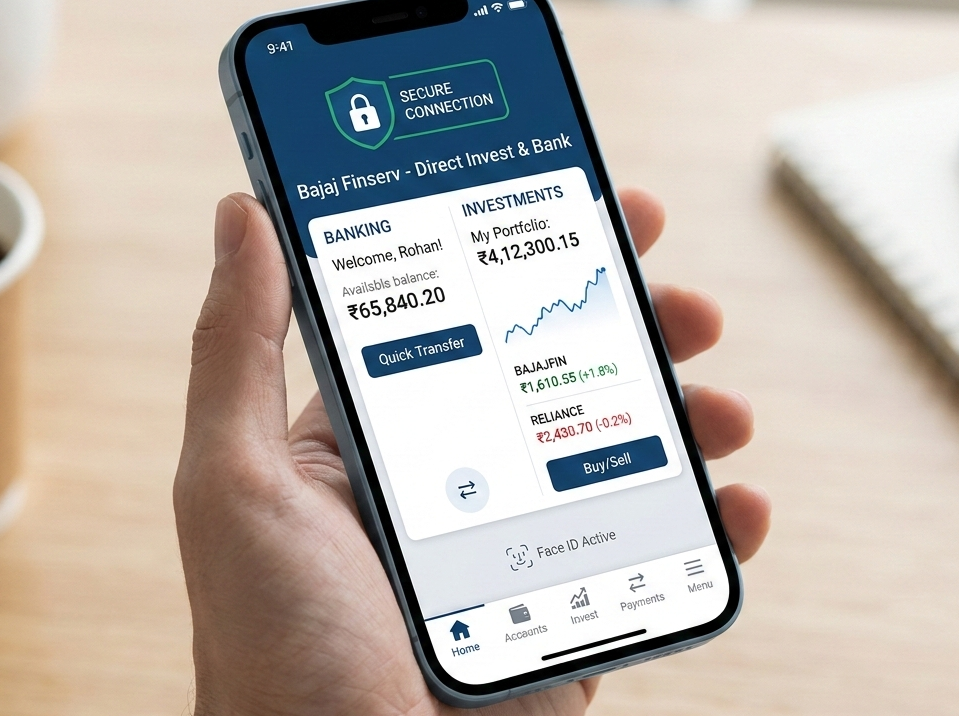
Upon successful verification, your demat account will be activated! You’ll receive your Unique Beneficiary Number (UBN), which is like your account number. This UBN is crucial for all future transactions, so remember to keep it handy. You can now log in to your account, view your holdings, and start trading!
Step 7: Understand the Fees
Before diving deep into trading, it’s important to understand the fees associated with your demat account. Most brokers charge a yearly maintenance fee. Additionally, there might be charges for transactions, like buying or selling stocks. It’s a good idea to review these fees carefully because they can impact your overall earnings.
Timing Your Trades: Beware of the NSE Holiday List
Understanding market hours and the NSE Holiday List is essential before you start trading. The National Stock Exchange (NSE) has a holiday list that states when the markets are closed. During these holidays, you won’t be able to make any trades. Missing out on a critical trading opportunity because you weren’t aware of the dates can be frustrating. Keep yourself updated on the NSE Holiday List to avoid unnecessary heartaches.
Step 8: Start Investing!
Now comes the most exciting part: investing! With your demat account open, you can buy and sell shares, mutual funds, and other securities. Remember to begin your journey with proper research. Understand what you’re investing in, and don’t let the excitement of potential profits cloud your judgment.
Monitoring and Managing Your Investments
After you start investing, the journey doesn’t end there. Regularly monitor your portfolio and make adjustments as necessary. Markets fluctuate, and so should your investment strategies. Staying informed will help you make better decisions.
Conclusion

In summary, demat account opening is your first step towards a rewarding investment journey. It may seem like a lengthy process, but with the right mindset and resources, you’ll find it easy. Remember to stay informed about the NSE Holiday List and manage your investments diligently. And most importantly, don’t lose sight of your financial goals amidst the numbers. Happy investing!